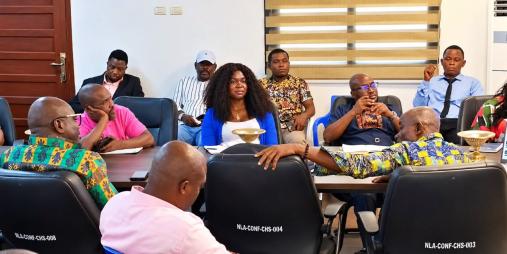
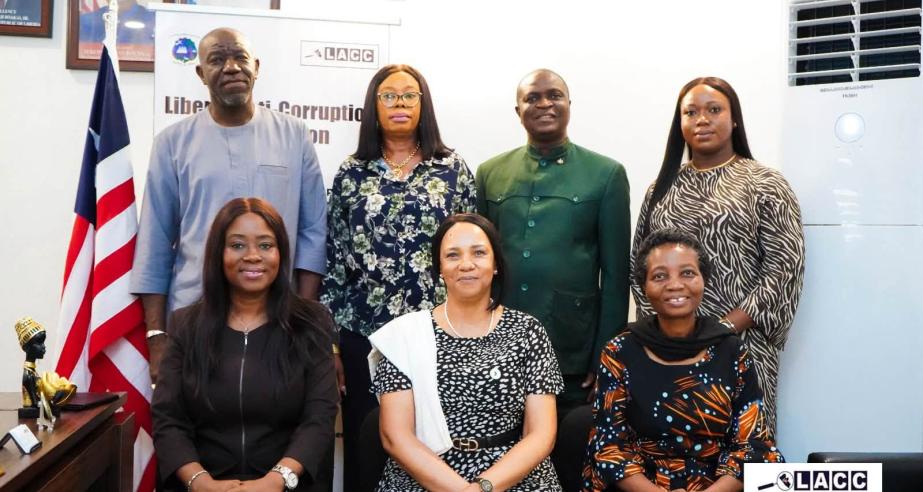
The AUABC Paid a Courtesy Visit to the Headquarters of the LACC on Thursday, October 8, 2026, During its visit to Liberia for a Regional Training On Asset Recovery and Illicit Financial Flows
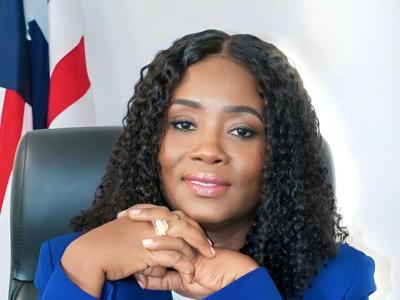
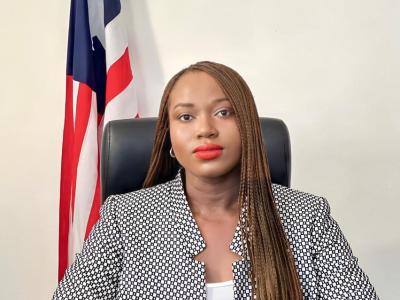
Welcoming the delegation, LACC Executive Chairperson, Cllr. Alexandra K. Zoe, expressed appreciation to the Board for accepting Liberia’s proposal to host the important regional training. She underscored the importance of asset recovery in the fight against corruption.
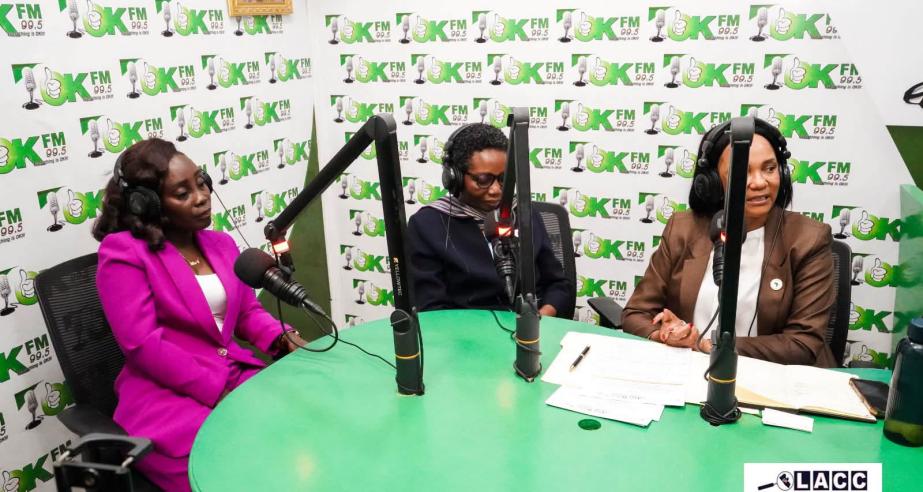
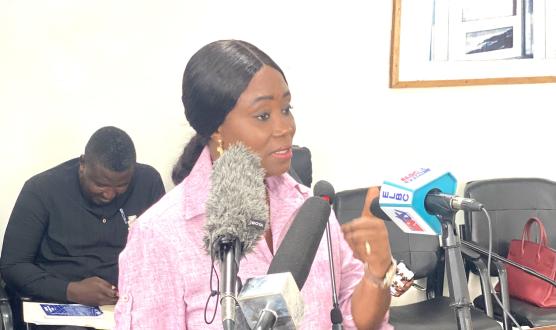
The LACC and Representatives of AUABC on Tuesday, October 6, 2026, Appeared on OKAY FM Radio Talk Show to Discuss Liberia’s Efforts to Strengthen Asset Recovery and Combat Illicit Financial Flows
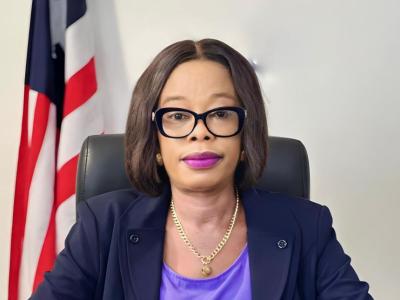
Sitting in studio was Hon. Erica Tshenolo Ndlovu - African Union Advisory Board Against Corruption (AUABC) Board Member, Charity Chileshe Hamene Chimunya - AUABC Executive Secretary and Vivian S. Akoto – Executive Assistant/Program Manager to the office of the Executive Chairperson.
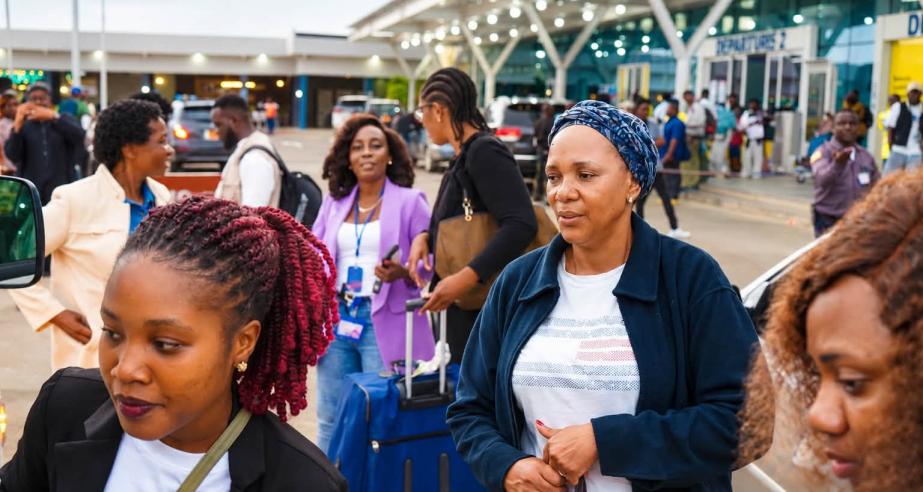
LACC Welcomes AU Advisory Board Against Corruption for Regional Training
The Liberia Anti-Corruption Commission (LACC) on October 5, 2026, welcomed members of the African Union Advisory Board Against Corruption (AUABC) to Liberia for a four-day regional training on Asset Recovery and Illicit Financial Flows.
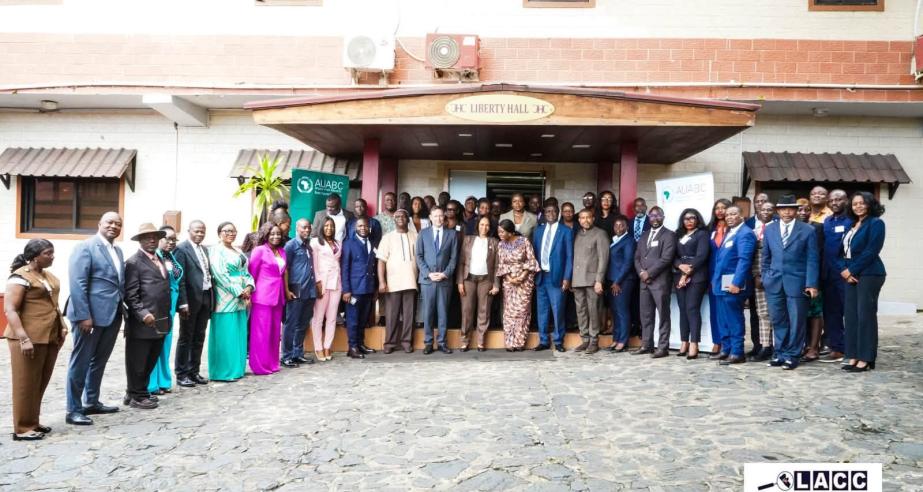
AUABC Holds Four-Day Regional Training on Asset Recovery and Illicit Financial Flows
The African Union Advisory Board Against Corruption (AUABC) has commenced a four-day regional training on Asset Recovery and Illicit Financial Flows, under the theme: “Implementing CAPAR and Curbing Illicit Financial Flows: Finding the Owner.”

The Executive Chairperson of the LACC, Cllr. Alexandra K. Zoe, Engaged Young Women Participating in the Go Girls Lead Mentorship Program, Cohort 8, in an Interactive Lecture Organized by "Books Before Boys" in Collaboration with the Alhaji Souleymane Syll
The lecture provided a platform for Cllr. Zoe to expand the young women’s understanding of corruption, its impact on society, and the importance of recognizing and preventing corrupt practices from an early stage. Cllr. Zoe encouraged the participants to develop a strong sense of integrity and understand that the fight against corruption begins with individual choices and responsible citizenship.